
X-ROOMS
X-Rooms is not about decorating—it's about diagnosing.
Each room is treated like an emotional body: raw, intimate, complex.
Inspired by Bachelard’s poetics and Freud’s topography of the mind,
it explores how spaces store trauma, memory, and silent tensions.
Design becomes dissection; aesthetics give way to exposure.
Objects turn into clues, walls into psychological maps.
“X” stands for the unknown—what lies beneath, unseen but felt.
X-Rooms is an interior archaeology: read the space, don’t dress it.
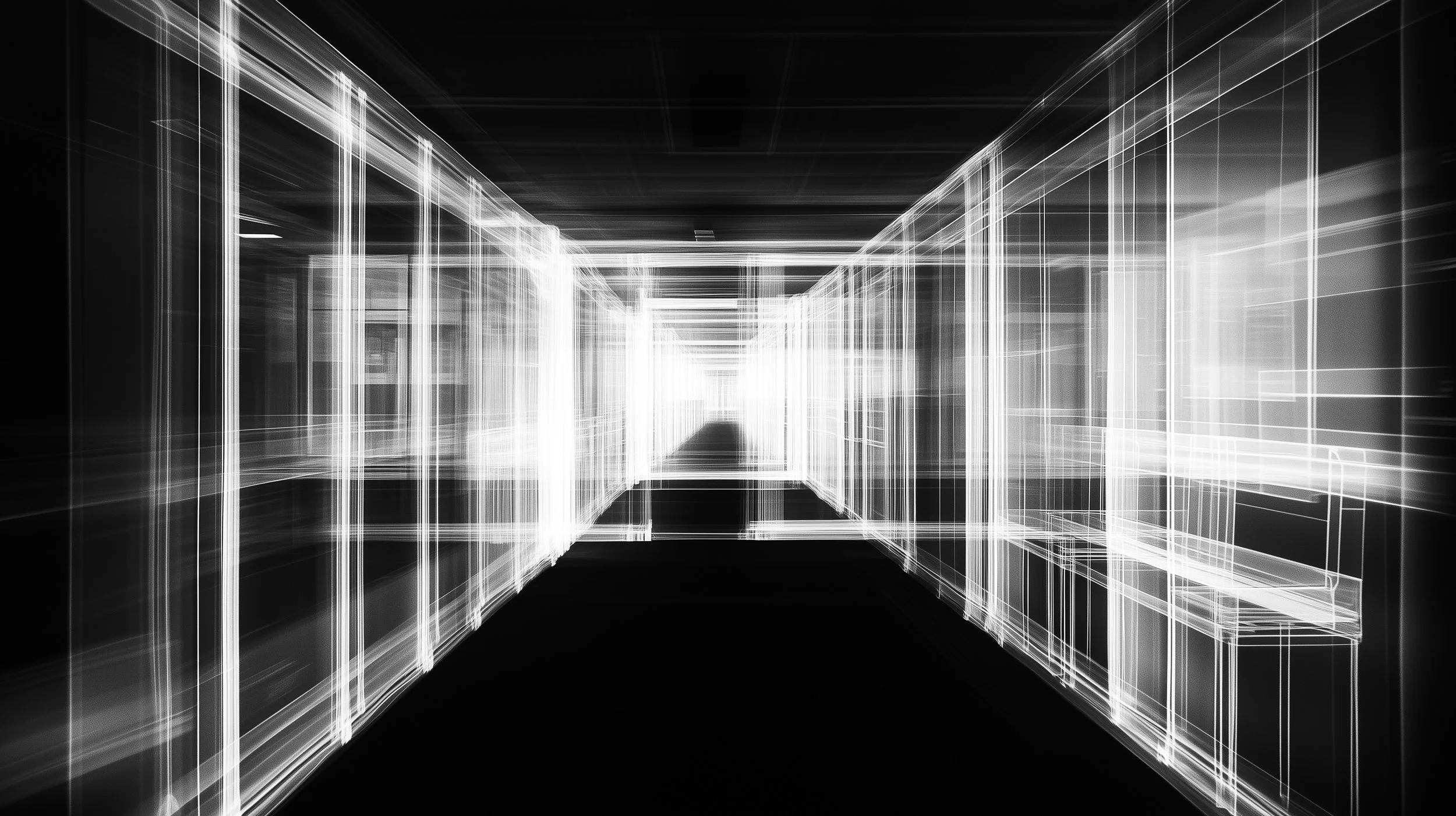
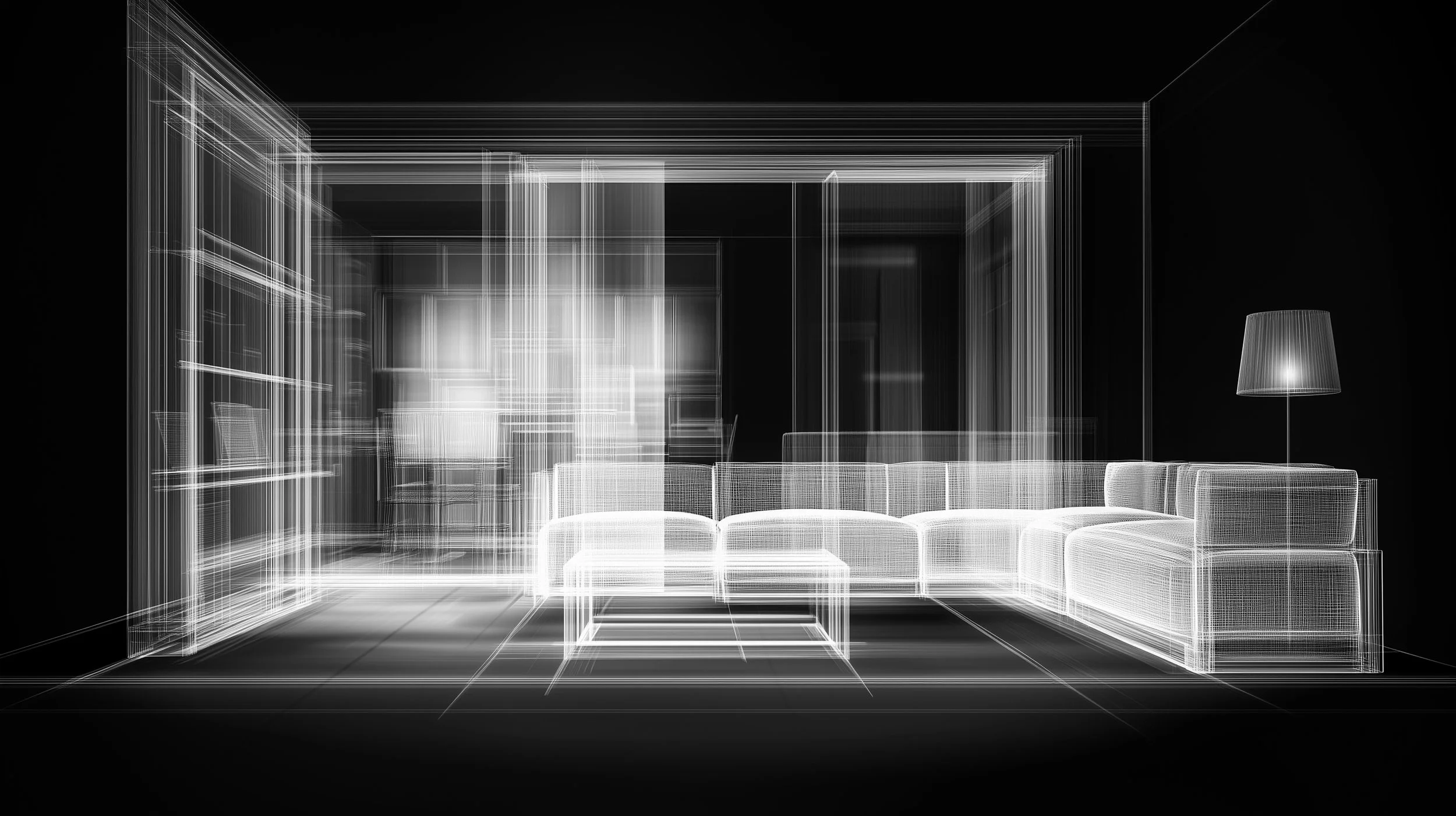
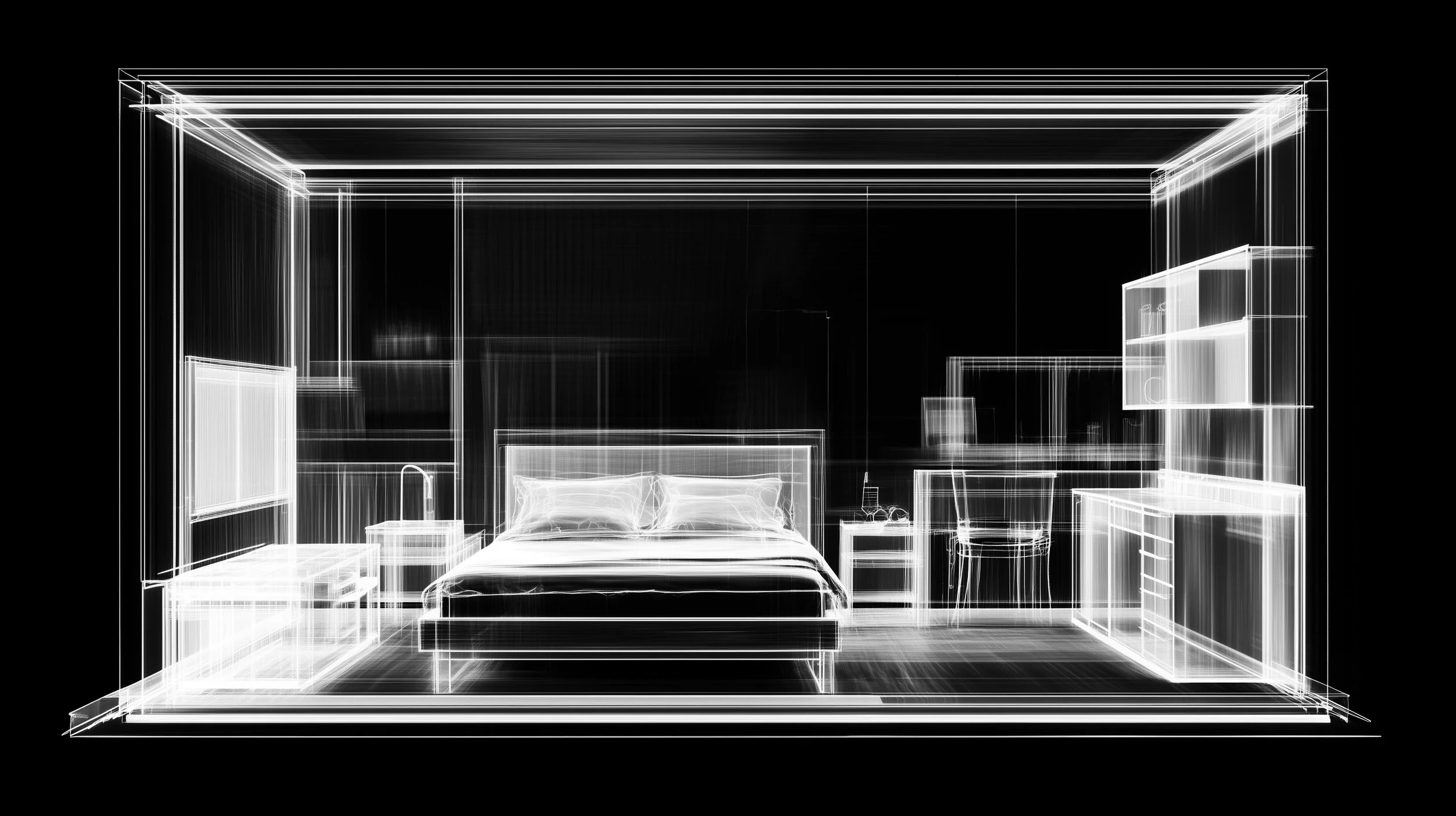
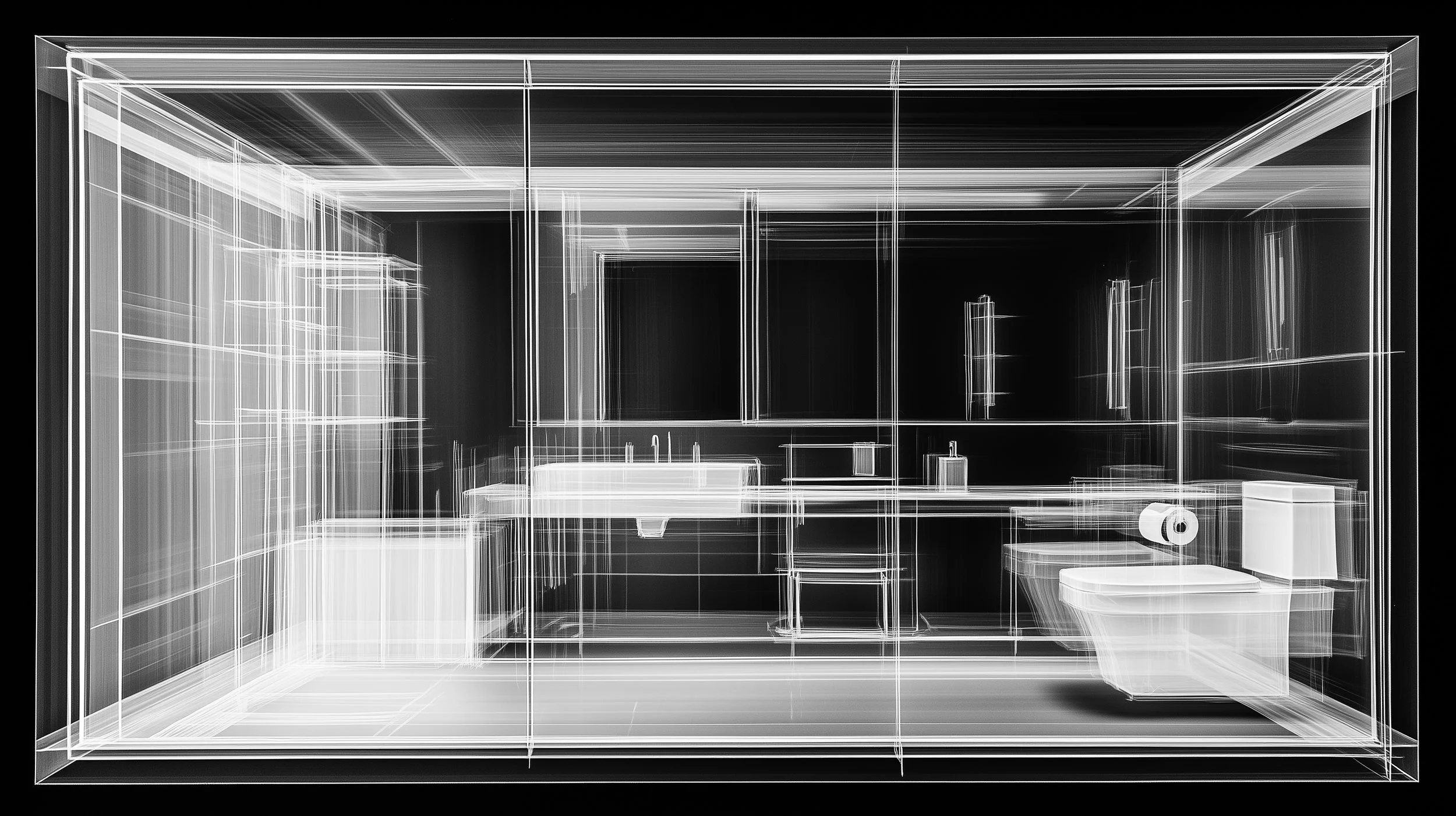
-
The name directly references radiography: reading and decoding each room as a vital tissue, an instant of intimacy. The “X” evokes the scientific precision and the process of uncovering something hidden beneath the surface. It suggests both a literal and metaphorical interpretation of space—an invitation to explore beyond what is visible, just as an X-ray reveals what lies beneath the skin.
-
X-Rooms is not about decorating—it's about diagnosing, exposing the psyche of space.
Each room becomes a living organism, storing tension, desire, silence, and memory.
Inspired by Bachelard’s poetics and Freud’s psychic maps, it reveals what space represses.
Walls become witnesses; objects, unresolved symptoms waiting to be read.
Design turns into a form of spatial psychoanalysis, raw and unapologetic.
The “X” marks what’s hidden, unspoken, the emotional residue beneath aesthetics.
This is an archaeology of the intimate: interiors as subconscious terrain.
X-Rooms invites you to dissect the domestic, and confront what truly lives there. -
Transparency: Exposing what normally stays hidden, through transparent or semi-transparent surfaces, as if the material itself is part of a visceral analysis.
Light: A surgical illumination that highlights what matters, revealing the structure and beating heart of each room.
Geometry: Sharp structures, cold angles, and lines that outline the “flesh” of the space, just like in a radiograph.
-
A raw investigation of everyday spaces. This is not about aesthetics; it’s about revealing the hidden body of the home in all its emotional and psychological facets. It’s a dissection of what we live with, not just in.
-
Extreme Minimalism: The idea of subtraction rather than addition, seen in the works of Tadao Ando, where every element is meticulously designed for its impact and significance.
Transparency and Revelation: Works by Olafur Eliasson, where the interplay of light and transparency becomes a symbol of vision and reflection.
Anatomy: The art of dissection as an analysis of the body, for instance in Damien Hirst’s work, where the human body is reduced to material to be observed without taboo.